
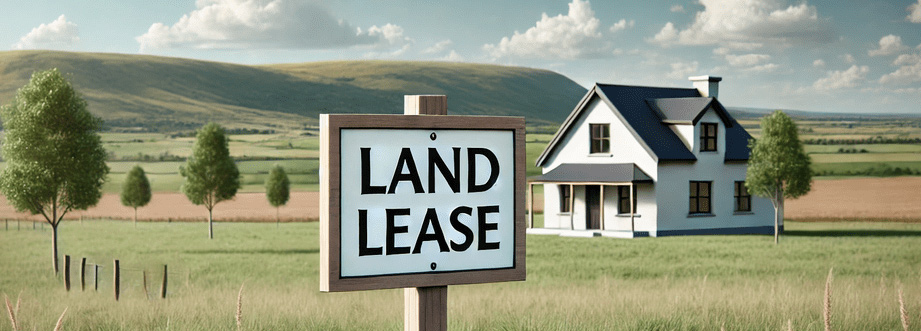
When people think about buying a home, they often imagine purchasing both the house and the land it sits on. However, in Ontario, there is another form of property ownership known as “leased land.” This arrangement is becoming more common in certain communities, and while it can be an affordable option, it comes with unique considerations. So, what does it mean to own a home on leased land in Ontario?
Understanding Leased Land Ownership
Owning a home on leased land means you purchase the physical structure—such as a house, cottage, or mobile home—but not the land beneath it. Instead, the land is leased from a landowner, which could be a private individual, corporation, Indigenous community, or even a government body. The homeowner pays a monthly or annual lease fee to the landowner for the right to occupy and use the property.
This is different from traditional homeownership, where you own both the house and the lot. In a leased land scenario, you’re essentially entering into a long-term rental agreement for the land while maintaining ownership of the building itself.
Why Choose a Home on Leased Land?
One of the biggest draws to buying a home on leased land in Ontario is affordability. Because you’re not purchasing the land, the upfront cost of the home is often significantly lower. This makes it an appealing option for retirees looking to downsize, families seeking a seasonal cottage, or first-time buyers struggling with Ontario’s high real estate prices.
Another advantage is location. Leased land properties are often found in highly desirable areas, such as near lakes, recreational communities, or rural settings where buying land outright would be cost-prohibitive.
Key Considerations Before Buying
While the price may be attractive, it’s important to understand the terms of the land lease before committing. Lease agreements vary widely and can significantly impact the long-term value and security of your investment.
- Lease Duration – Some leases are long-term (20, 30, or even 99 years), while others may be much shorter. A shorter lease can make it harder to secure financing and may affect resale value.
- Lease Fees – In addition to your mortgage, you’ll need to budget for monthly or annual lease payments. These fees may increase over time, depending on the contract.
- Resale Challenges – Selling a home on leased land can be more complicated. Potential buyers may be hesitant if the lease is short or if financing options are limited.
- Restrictions and Rules – Some leased land communities have regulations on renovations, usage, or even who can purchase. Always review the lease terms carefully.
Financing and Legal Implications
Securing a mortgage for a home on leased land can be more difficult. Many lenders are cautious because the homeowner doesn’t own the land, and the value of the building alone may not be enough to back a loan. In some cases, buyers may need to explore alternative financing options or pay in cash.
It’s also crucial to consult a real estate lawyer before purchasing. They can help you review the lease agreement, explain your rights, and ensure there are no hidden risks.
Final Thoughts
Owning a home on leased land in Ontario offers a unique path to homeownership, often at a more affordable price point and in desirable locations. However, it also comes with limitations, added costs, and potential risks. Before buying, it’s essential to fully understand the lease terms, evaluate long-term affordability, and seek professional guidance. With the right planning, a leased land property can be a smart choice for the right buyer.
Want to say something? Post a comment
Want to say something? Post a comment