
When purchasing a home on leased land in Ontario, many buyers are attracted by the lower upfront cost compared to traditional freehold properties. However, one common question arises during the buying process: do property taxes apply to homes on leased land? The short answer is yes — but how and who pays them depends on the details of the lease agreement and the type of land involved. Understanding how property taxes work for leased land can help homeowners avoid confusion and plan their finances more effectively.
In Ontario, property taxes are charged by municipalities to fund essential public services such as road maintenance, policing, fire protection, waste collection, and schools. These taxes are based on the assessed value of the property, which typically includes both the land and any structures built on it. However, when the land is leased rather than owned, things work a little differently.
If you live in a house on leased land, you usually own the building but not the land beneath it. The land remains the property of another party — such as a private landowner, corporation, government body, or First Nations band — and you pay an annual or monthly lease fee to use it. Despite not owning the land, homeowners are often still responsible for paying property taxes on the home itself, or for reimbursing the landowner for taxes related to the leased property.
There are generally two common scenarios when it comes to property taxes on leased land in Ontario:
- The Leaseholder Pays Property Taxes Directly
In many cases, especially when the lease is with a municipality or private landowner, the leaseholder (the person leasing the land) is responsible for paying property taxes directly to the local government. The tax bill is assessed based on the value of the home and sometimes a portion of the land value tied to the lease. This means you will receive a property tax bill from the municipality, just as a freehold homeowner would. - The Landowner Pays Property Taxes and Passes the Cost to Tenants
In other situations — particularly in manufactured home communities or mobile home parks — the landowner pays the overall property tax for the entire parcel of land. They then recover a portion of this expense from each leaseholder as part of the monthly lease or maintenance fees. In this setup, the tax cost is indirectly included in your rent or site fee, rather than being billed to you separately.
The situation can be different for First Nations reserve land. Homes built on reserve land are typically exempt from provincial and municipal property taxes because the land is held by the federal government. However, some First Nations communities charge their own service fees or local property-style levies to fund community services.
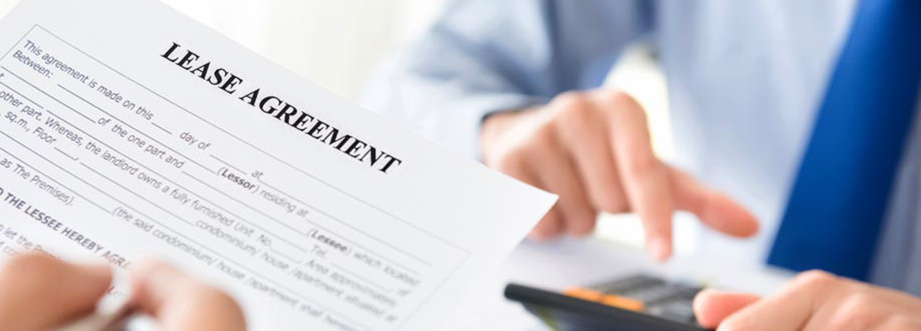
It’s essential to carefully review your lease agreement to determine your tax obligations. The contract should clearly state whether property taxes are included in the lease payments or if you are responsible for paying them directly. You should also verify how the property value is assessed, as this will affect how much tax you owe each year.
In summary, property taxes do apply to most homes on leased land in Ontario, but how they’re handled depends on the structure of your lease. Whether you pay them directly or indirectly through your land lease, property taxes remain an important part of homeownership costs. Before signing a lease or buying a home on leased land, make sure you understand who pays the taxes and how much they will impact your budget.
Want to say something? Post a comment
Want to say something? Post a comment